
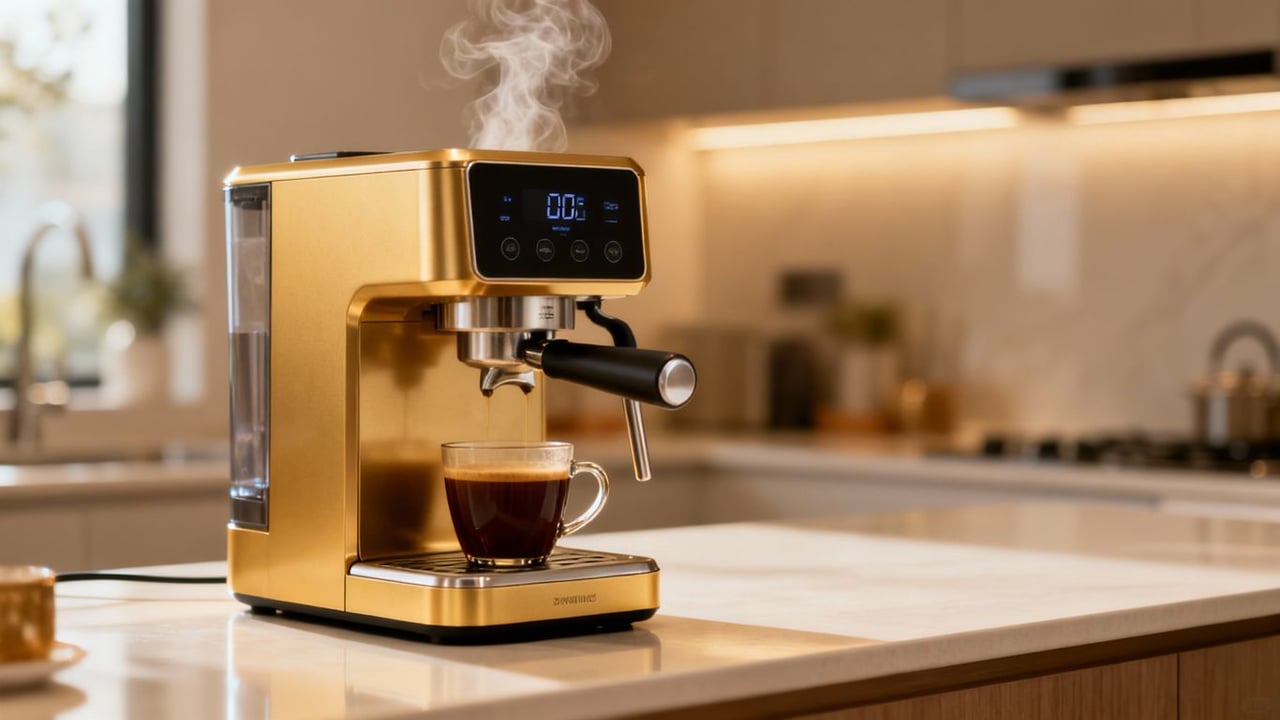


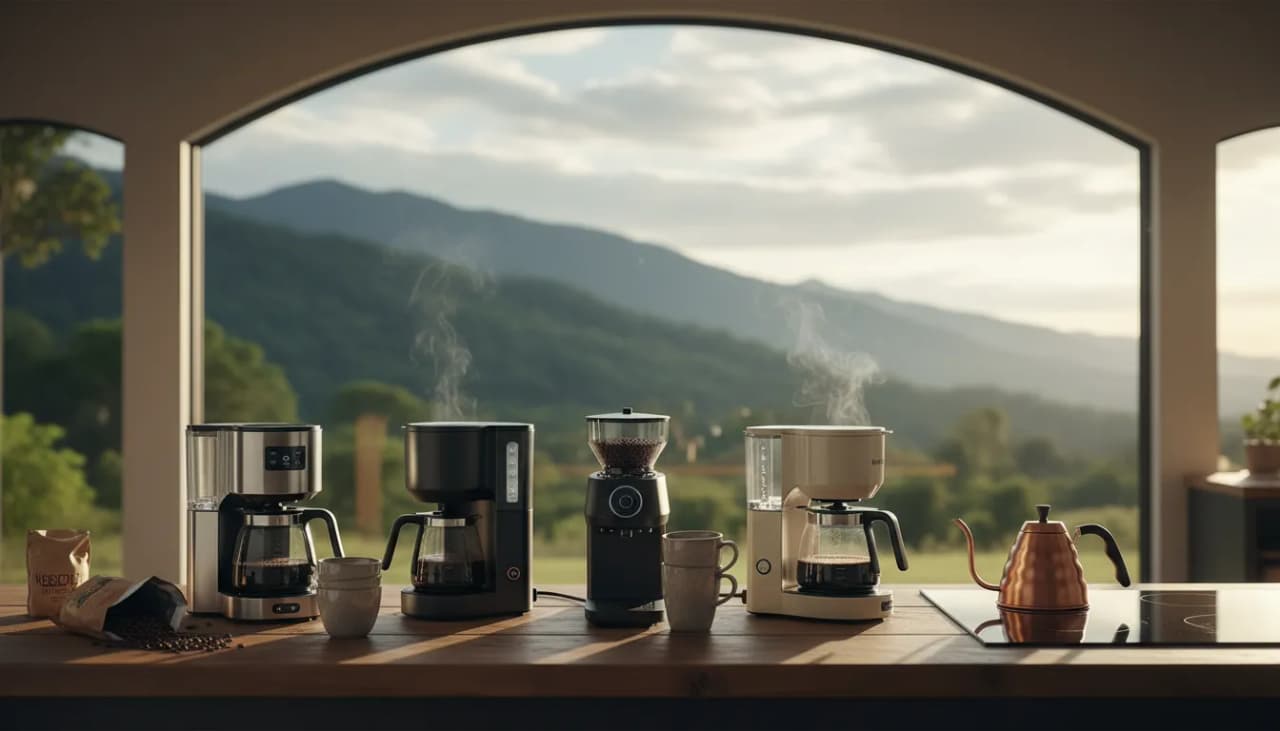
Waking up to a good cup of coffee is pretty great, right? Maybe you're tired of spending too much at coffee shops, or maybe you just want that perfect brew at home. Whatever the reason, picking out a new digital coffee maker can feel like a lot. There are so many options out there, from super fancy machines that do everything to simpler ones that just get the job done. This guide is here to help you sort through it all and find the digital coffee maker that's just right for you, no matter your coffee habits or budget.
Key Takeaways
Think about how you like your coffee: Do you want a machine that does all the work automatically, or do you prefer a more hands-on approach to brewing?
Consider how much coffee you drink daily. This will help you decide between single-serve options or larger batch brewers.
Look at the brewing tech and certifications, especially for drip coffee makers, like the SCA Gold Cup Standard, to know it's built for good coffee.
Don't forget about maintenance. Some digital coffee makers have self-cleaning features, while others require more regular manual upkeep.
Decide if you want to spend more upfront for a high-end machine with ongoing convenience, or if you prefer a more budget-friendly option with potentially higher long-term costs.
Understanding Your Coffee Maker Needs
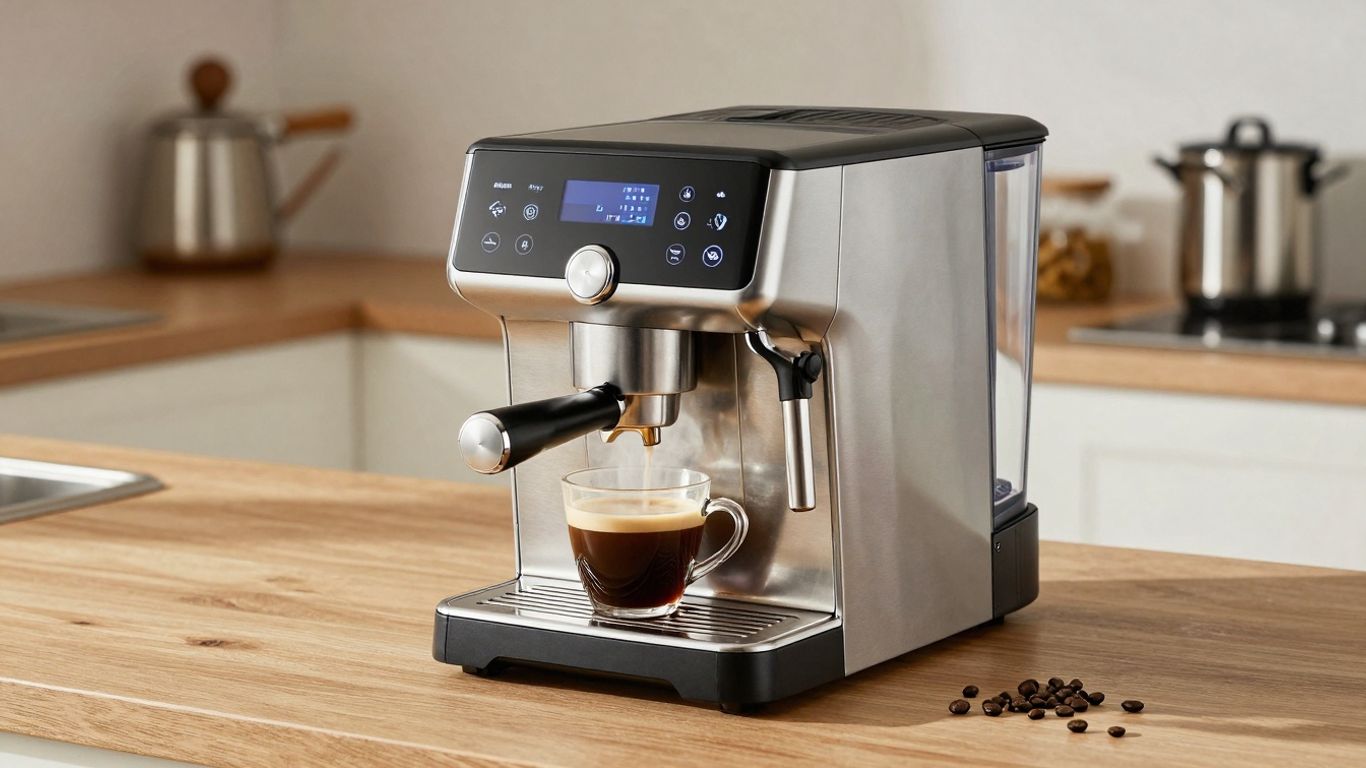
Before you even start looking at fancy buttons and digital displays, let's get real about what you actually need from a coffee maker. It's not just about brewing coffee; it's about fitting into your life. Thinking through a few key things now will save you a lot of hassle (and maybe some bad coffee) later.
Manual Versus Automatic Brewing
This is a big one. Do you want to be hands-on or hands-off? Automatic machines are super convenient. You push a button, and coffee happens. They're great if you're rushing out the door or just want your morning cup with zero fuss. On the other hand, manual brewing, like pour-over, gives you total control. You can tweak the water temperature, the pour speed, and really get into the details of making that perfect cup. It's more of a ritual, you know? Some machines even offer a hybrid approach, giving you some automation with options for customization. The best approach depends entirely on how much time and effort you're willing to put in each morning.
Assessing Your Daily Coffee Consumption
How much coffee do you actually drink? And who else in your household drinks it? If it's just you and you have one cup a day, a small, single-serve machine might be perfect. But if you've got a family of coffee lovers or you entertain often, you'll want something that can brew a bigger batch. Trying to make multiple pots on a small machine is a pain. Think about whether you need a quick single cup or a larger carafe for multiple servings. It really changes the type of machine you should be looking at.
Espresso Aficionado or Batch Brewer?
Are you dreaming of rich, intense espresso shots, or are you more of a classic drip coffee person who likes a full pot? Espresso machines are a whole different ballgame, often requiring more skill and maintenance. If you're after lattes and cappuccinos, you'll need a machine that can handle that. If you're happy with a good, solid cup of drip coffee to start your day, then a drip coffee maker, perhaps with some advanced features, will be more your speed. Some machines can do both, but they can be pricier and more complex. It's worth considering if you really need that versatility or if focusing on one type of brew is better for you. For those interested in exploring different brewing methods, checking out options for cold brew coffee makers might also be on your radar.
Key Features to Consider in a Digital Coffee Maker
When you're looking at digital coffee makers, there are a few things that really make a difference in your daily cup. It's not just about pushing a button; it's about what happens behind that button.
Brewing Technology and Certifications
This is where the magic happens, or at least, where the science of good coffee brewing is applied. For drip coffee makers, look for the SCA Gold Cup Standard certification. This means the machine has been tested and meets specific standards for brewing coffee, like water temperature and brew time. The Specialty Coffee Association (SCA) certification is a good indicator that the machine is designed to make a great cup of coffee. They look at things like making sure the water hits the coffee grounds at the right temperature, usually between 197 and 205 degrees Fahrenheit, and that the brewing process takes between four and eight minutes. It's a pretty solid benchmark if you're serious about your drip coffee.
Programmable Settings and Convenience
This is the "digital" part that many people love. Being able to set your coffee maker the night before and wake up to a fresh pot is a game-changer. Many machines let you program the brew time, and some even let you adjust the brew strength or set it to brew at the same time every day. It's like having a personal barista ready when you are. Some advanced models even connect to apps, allowing you to start brewing from your phone. While these features can add to the cost, they can be incredibly convenient if you're always rushing in the morning. Just make sure you're comfortable with the interface; a complicated setup can be frustrating.
Filter Types: Paper Versus Permanent
This might seem like a small detail, but it can affect your coffee and your routine. You've got two main options: paper filters and permanent (reusable) filters.
Paper Filters: These are disposable and easy to clean up. You just toss the filter and grounds when you're done. They can also affect the taste, sometimes filtering out more oils and fine sediment, which some people prefer. However, you'll always need to have them on hand, and running out can be a pain.
Permanent Filters: These are usually made of metal or mesh. They're better for the environment since you don't throw them away, and you save money in the long run. The downside is they require more cleaning. You have to wash them thoroughly after each use, and they can sometimes stain or retain coffee oils, which might alter the taste over time. Some people find they get a richer cup with a permanent filter because more of the coffee's natural oils make it through.
Choosing between paper and permanent filters often comes down to personal preference and how much effort you want to put into cleaning. Both can make excellent coffee, but the process and the final cup can differ slightly.
When you're looking at machines, especially those with advanced features, it's worth checking out brands like Cuisinart that focus on brewing quality. They often have models that offer precise temperature control, which is a big deal for getting the best flavor out of your beans.
Exploring Different Types of Digital Coffee Makers
When you start looking at digital coffee makers, it can feel like a whole new world opens up. There are so many options, each promising that perfect cup. Let's break down some of the most popular types you'll find out there.
The Appeal of Bean-to-Cup Machines
These machines are often the first thing coffee lovers consider when they want the full experience at home. Think of them as your personal barista. They take whole beans, grind them right before brewing, and then make your coffee. It's pretty neat.
Here's what you get with a bean-to-cup machine:
Built-in Grinder: Grinds beans fresh for every single cup. No stale pre-ground stuff here.
Brewing Unit: This is the heart of the machine, handling the actual coffee making.
Used Grounds Container: Collects the pucks of used coffee grounds, making cleanup easier.
Milk Frothing: Many models come with a way to steam and froth milk for lattes and cappuccinos.
They generally fall into two camps: one-touch systems that might have a manual steam wand, and more advanced ones that automate the milk frothing too. The biggest advantage is getting coffee from freshly ground beans with just the push of a button. It really does make a difference in taste, but remember, even the fanciest machine can't fix bad beans. You'll want to pair a great machine with quality coffee beans.
The technology in these machines is impressive, but it's important to remember that the quality of your coffee starts with the beans themselves. Even the most advanced grinder and brewer can't magically transform mediocre beans into something spectacular. Always aim for fresh, high-quality beans to get the best results.
Single-Serve Convenience
If you're usually just making coffee for yourself, or maybe one other person, single-serve machines are super convenient. You pop in a pod or capsule, press a button, and out comes your coffee. It's fast and there's very little mess.
Speed: Usually brews a cup in under a minute.
Variety: Lots of different coffee types and flavors available in pods.
Simplicity: Very easy to operate, even for beginners.
While they're great for quick cups, the ongoing cost of pods can add up, and they aren't always the most eco-friendly option. Some brands are working on more sustainable pod solutions, though.
Advanced Drip Coffee Systems
Forget those old-school drip machines that made weak, lukewarm coffee. Modern digital drip coffee makers are a whole different story. Many are now certified by the Specialty Coffee Association (SCA) for meeting specific standards in brewing temperature and time. This means they're designed to actually extract the best flavor from your grounds.
When looking at these, keep an eye out for:
SCA Certification: A good sign the machine brews coffee properly.
Programmable Settings: Wake up to fresh coffee.
Brew Strength Control: Adjust how bold you like your coffee.
Thermal Carafe: Keeps coffee hot for longer without that burnt taste.
These machines offer a good balance between convenience and quality, especially if you like making a full pot. They're a solid choice for households that drink a lot of coffee throughout the day.
Optimizing Your Coffee Experience
So, you've picked out a fancy new digital coffee maker. That's great! But honestly, the machine is only half the battle. To really get that perfect cup every single morning, you've got to pay attention to a few other things. It's not just about pushing a button; it's about the whole process.
The Importance of Bean Quality
Let's get this straight: even the most high-tech coffee maker can't magically fix bad beans. Seriously. If you're grabbing those giant, bargain bags from the supermarket, you're probably not getting the best flavor. Freshly roasted, good quality whole beans are your starting point. Think about where your beans come from. Local roasters are often a good bet, or suppliers that focus on quality. Using fresh arabica beans, for example, lets the real taste of the coffee come through, rather than just a generic coffee flavor. It makes a huge difference, trust me.
Water Quality and Its Impact
Next up, water. It makes up, like, 98% of your coffee, so yeah, it matters. If your tap water tastes funky, your coffee will too. Hard water, especially, can mess with the taste and also build up gunk inside your machine over time. You might want to think about using a water filter. It's a simple step that can really clean up the flavor profile of your coffee. Some people even use bottled spring water for their high-end machines. It sounds a bit extra, but if you're serious about your coffee, it's worth considering.
Grind Size for Optimal Flavor
Grinding your beans right before you brew is a game-changer. But the size of the grind? That's where the magic really happens. Different brewing methods need different grind sizes. Too fine, and you might get bitter coffee because it's over-extracted. Too coarse, and it could end up sour and weak from under-extraction. It's all about finding that sweet spot. For drip coffee makers, a medium grind, kind of like kosher salt, is usually a good place to start. If you're using a machine with a built-in grinder, check if it offers different settings. Getting the grind right is key to a balanced cup. You can even use a coffee sifter to check consistency. If you're looking for a portable option, check out some travel coffee makers that can handle different grinds.
Measuring your coffee and water is also super important. Instead of scoops, try using a kitchen scale to weigh both. A common starting point is about 20 grams of coffee for every 320 grams of water. This consistency will make a noticeable difference in your daily brew.
Space and Maintenance Considerations
Countertop Space and Clearance
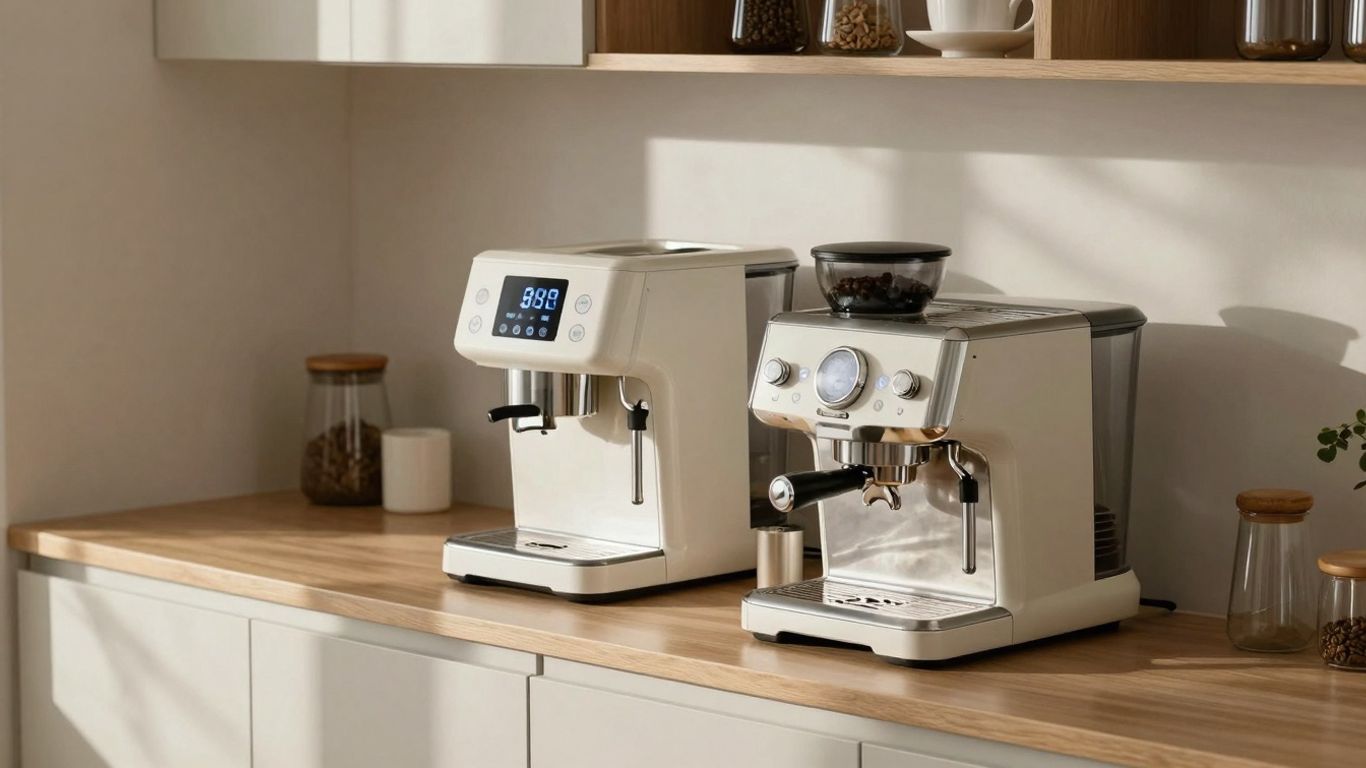
Before you even think about brewing that first cup, take a good look at your kitchen. Digital coffee makers, especially the fancier bean-to-cup models, can take up a surprising amount of real estate. Measure the spot where you plan to put it. You'll need enough room not just for the machine itself, but also for opening lids, filling water reservoirs, and accessing the bean hopper. Don't forget about overhead clearance – you don't want to be ducking every time you need to add water or beans. Some machines have removable water tanks, which is a nice feature if your counter is tucked under cabinets. Think about how often you'll be interacting with the machine and make sure there's comfortable space for those actions.
Routine Cleaning and Descaling
This is where many coffee makers meet their untimely end – neglect. Keeping your machine clean isn't just about looks; it's about taste and longevity. Coffee oils build up, and mineral deposits from water can clog things up, leading to weak or bitter coffee.
Here’s a basic rundown:
Daily: Rinse the carafe and brew basket after each use. Seriously, it takes 30 seconds and makes a huge difference.
Weekly: Give the carafe, brew basket, and any removable parts a more thorough wash with soap and water. Wipe down the exterior.
Monthly (or as recommended): Descale your machine. This involves running a cleaning solution (vinegar or a commercial descaler) through the system to break down mineral buildup.
Ignoring descaling is like letting your car run without oil. Eventually, something important is going to break, and it's usually not cheap to fix. Most manufacturers will tell you exactly how often to descale, and many digital machines will even remind you.
A well-maintained coffee maker can last for years, potentially a decade or more, saving you money and hassle in the long run. Think of it as an investment in your daily caffeine ritual.
Making the Right Choice for Your Budget
Upfront Investment Versus Ongoing Costs
When you're looking at coffee makers, it's easy to get caught up in the sticker price. That fancy machine might look amazing, but have you thought about what it'll cost you down the road? Some machines, especially those super-automatic ones, have a higher initial cost but can save you a ton on daily coffee shop runs. Others are cheaper to buy but might need more frequent filter replacements or specialized cleaning supplies. It's a balancing act between what you pay today and what you'll spend over time.
Think about it like this:
High Upfront, Low Ongoing: These are often the premium machines. You pay a lot initially, but they might use less energy, have durable parts, or even grind beans for you, cutting down on other expenses. A good example might be a high-end espresso machine that makes café-quality drinks at home.
Low Upfront, High Ongoing: Cheaper drip coffee makers or single-serve pod machines fall here. The machine itself is inexpensive, but you'll constantly be buying pods, filters, or maybe even replacement parts if they don't last as long.
Mid-Range Balance: Many solid drip coffee makers offer a good mix. They aren't the cheapest, but they're not bank-breakers either, and their running costs are pretty standard.
Finding Value in Mid-Range Options
Sometimes, the sweet spot for value isn't at the absolute cheapest end or the most expensive. Mid-range coffee makers often pack a lot of features without the luxury price tag. You can find machines with programmable timers, good temperature control, and even thermal carafes that keep your coffee hot for hours. These models are built to last longer than the cheapest options and perform reliably day after day. For instance, a well-regarded SCA-Certified drip coffee maker can offer a fantastic brew without costing as much as a top-tier espresso setup. It’s about finding a machine that meets your daily needs and preferences without breaking the bank. You can often find great deals on these models, especially if you keep an eye out for sales or consider affordable coffee makers that still deliver quality.
Don't just look at the price tag. Consider the total cost of ownership, including filters, cleaning supplies, and how long the machine is likely to last. A slightly more expensive machine that lasts five years might be a better deal than a cheap one that needs replacing every year.
So, What's the Verdict?
Alright, so picking out a new coffee maker can feel like a lot, right? We've looked at everything from fancy machines that practically make your latte for you, to the simpler setups that let you be more hands-on. Remember, the best machine isn't some universal answer; it's the one that fits your morning routine, your taste in coffee, and your kitchen counter. Whether you're all about speed and convenience or enjoy the whole brewing ritual, there's definitely a coffee maker out there for you. Don't stress too much about it – think about what you really want from your coffee, and you'll find the perfect match. Happy brewing!
Frequently Asked Questions
What's the main difference between manual and automatic coffee makers?
Think of it like cooking. Manual makers, like a pour-over, let you be the chef, controlling every step for a custom taste. Automatic machines are more like a microwave – you press a button, and it does the work for you, saving time.
How much counter space do I really need for a coffee maker?
It's like finding a spot for a new toaster. Measure the area where you want to put it, and don't forget to check how much room is above it, especially if it has a water tank or bean hopper that needs filling from the top.
Should I use paper filters or a permanent filter?
Paper filters are like disposable plates – easy to use and toss, but you need to buy more. Permanent filters are reusable, which is good for the planet and your wallet, but they need a good scrub after each use.
What does 'SCA Certified' mean for a drip coffee maker?
SCA stands for Specialty Coffee Association. When a drip coffee maker has this label, it means it's been tested and proven to brew coffee at the right temperature and with the right coffee-to-water mix to make a really tasty cup.
How important is the type of coffee bean I use?
Super important! Even the fanciest coffee maker can't make bad beans taste amazing. Using fresh, good-quality beans is like starting with fresh ingredients for any recipe – it makes a huge difference in how your coffee turns out.
What's a 'bean-to-cup' coffee machine?
These are like the all-in-one wizards of the coffee world. You put whole coffee beans in, and they grind them right before brewing, often even frothing milk for you, to make a complete coffee drink with just one touch.